Decades before you were irresponsibly spending your money on blind-box bag charms at the mall, there was Kidrobot.
Founded in 2002 by Paul Budnitz, Kidrobot helped create what we know and love today in art toys. Your favorite designer figure, that exclusive collaborative action figure, that blind box toy you had to have last summer- they all owe at least a bit of their existence to Kidrobot.
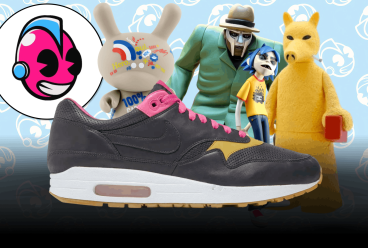
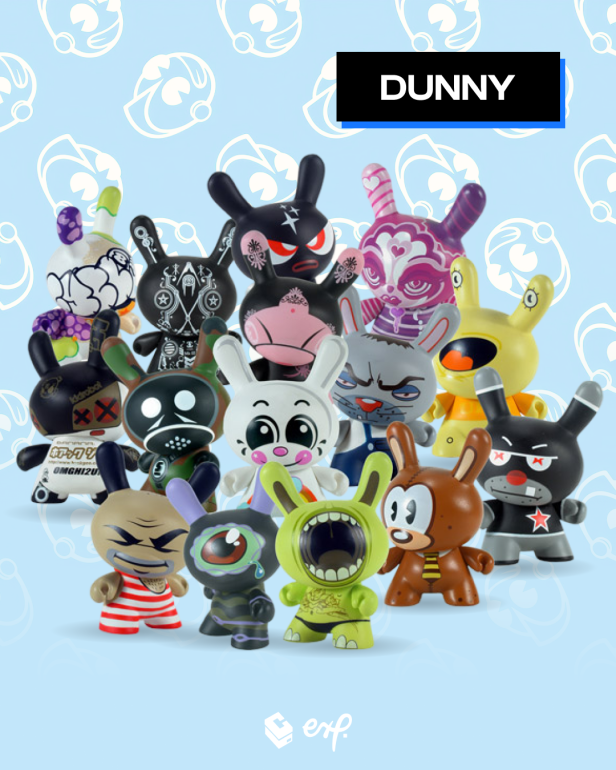
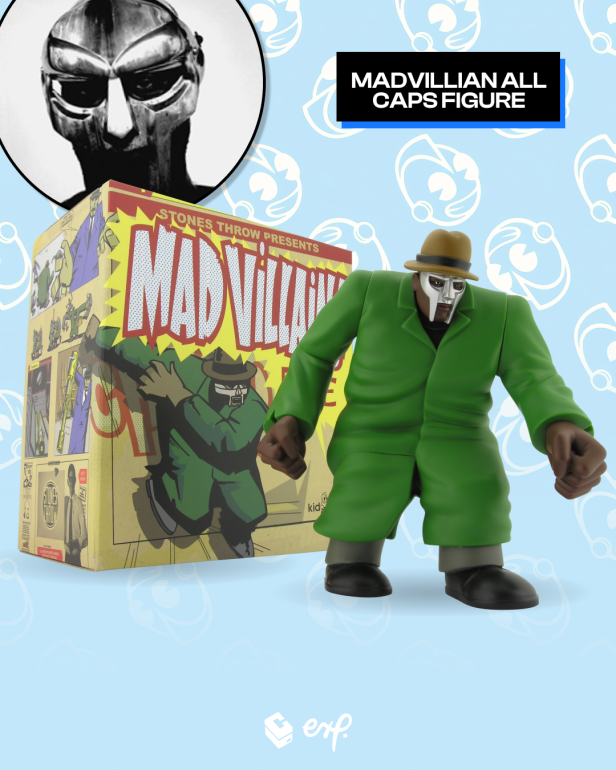
Kidrobot built an aesthetic beyond just creating a collectable toy. Through Budnitz’s relationships, Kidrobot optimized cool. Meanwhile, it popularized a genre of collectable art toys in the US. Furthermore, Kidrobot broke down barriers for artists merchandizing. The brand brought Gorillaz’s characters to life, all the while giving us figures for iconic underground Hip-Hop acts like Quasimoto & Madvillain.
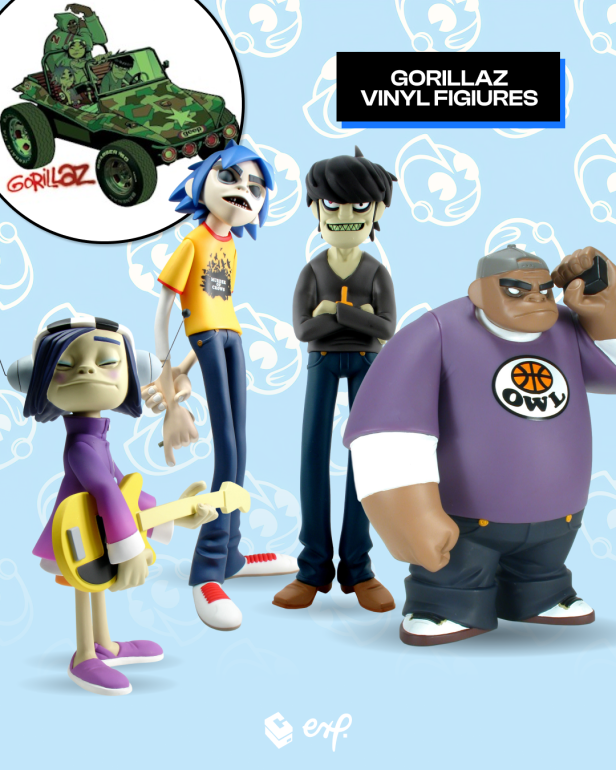
Eventually, Kidrobot opened stores around America where sneakerheads, artists, and collectors could all congregate to acquire the latest products from the brand. Collectables weren’t the only thing fans were after, though, as Kidrobot also became one of the hottest streetwear brands of the era.
Much like the collectable art toys, Kidrobot’s apparel line was all about scarcity. Kidrobot hoodies were not only known for their bold prints, but for their embroidered numbers. These numbers told you just how limited your hoodie was. And once it was gone, it was gone.
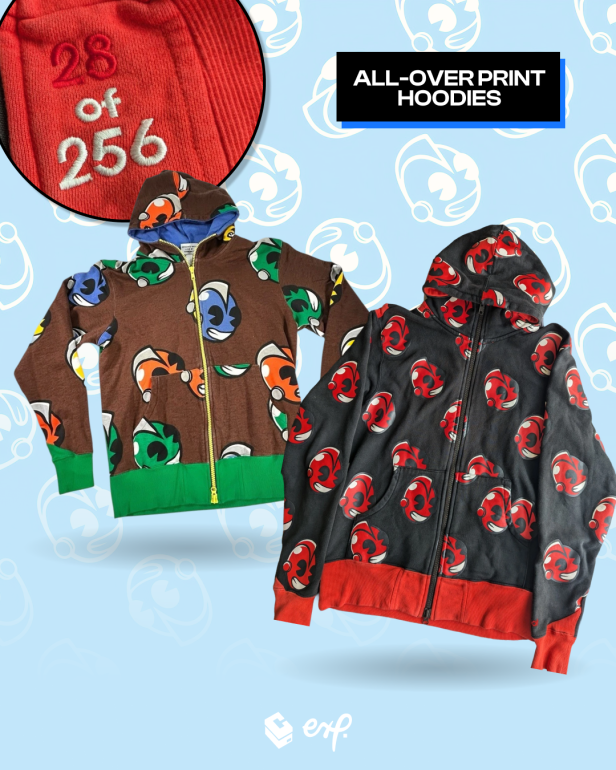
Kidrobot’s clothing at the time was the amalgamation of the global streetwear scene. Graphic tees sat on racks next to all-over print tees in vibrant colors and patterns. The aforementioned hoodies appeared in wild colorways and disappeared from the online store and retail chains globally in seconds.
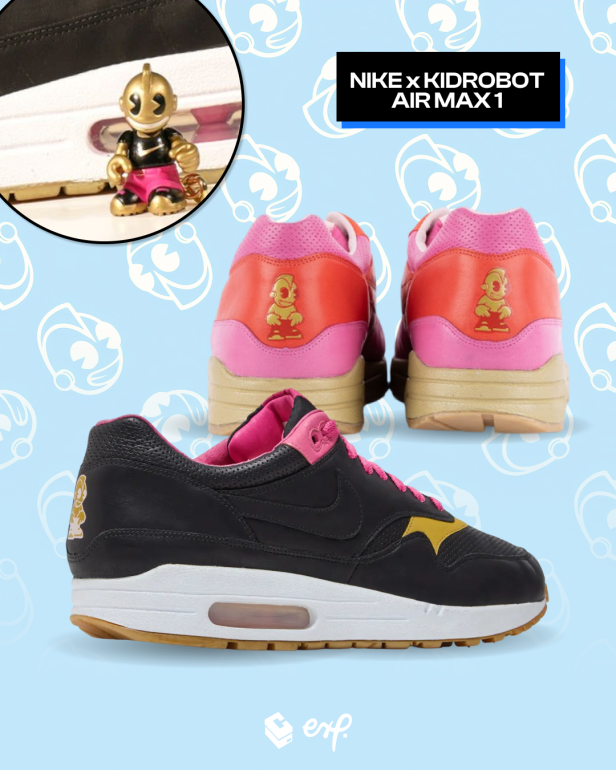
If sneakerheads weren’t familiar with Kidrobot in the early 2000s, they surely became aware when the brand collaborated with Nike on the Air Max 1. The sneakers launched at Barney’s in New York in February of 2005.
Despite its mostly black leather upper, the Kidrobot Air Max 1 was still unapologetically Kidrobot. It had perforation patterns throughout the upper, as if emulating pop-art design. The accents on the shoe came in hot pink and gold, exactly what you would expect from a brand that did the most possible to stand out with their designs. In true collectable fashion, the sneaker was limited to 250 pairs. They each came with blind packaging that featured one of five collective insoles and a Kidrobot keychain. A second colorway in hot pink and red was made for friends and family and is believed to be limited to 75 pairs.
As the 2010s approached, Kidrobot began tackling licensed products with more frequency. By the time Budnitz departed in 2012, it became a priority for the brand to release licensed goods. Though this was likely done out of financial necessity, it diminished the brand in the eyes of collectors and hypebeasts alike.
Fast-forward to 2026, and the brand has changed ownership a few times. Though it has gone through some decades of struggle, Kidrobot continues to chug along. These days, the brand’s focus on licensed goods is very polished.
No, collectors aren’t camping outside their stores for a chance at the latest limited-edition hoodie, but through its strong partnerships, it can launch some edgy and fun collectables in a very crowded space in 2026.
Kidrobot changed collecting forever. The brand’s strong identity, exclusive drops, and special designs made it one of the cornerstones in American streetwear of the early 2000s. Yes, the brand is far removed from that. That said, its boldness and fun nature can still be felt through the products they release today.
Kidrobot is a legacy brand that should be celebrated as such. Not only for its impact on streetwear, but because it rewired collectors and what it meant to own a piece of art.
This story appeared originally on our sister site, CollectSavy.
Follow EXP. via Instagram here.